Self Care Resources
The Math Problem
Understanding the intricate connections of the human brain and the devastating effects of TBIs is like solving a complex equation. Each solution requires precision, patience, and perseverance.
The Complexity of the Human Brain
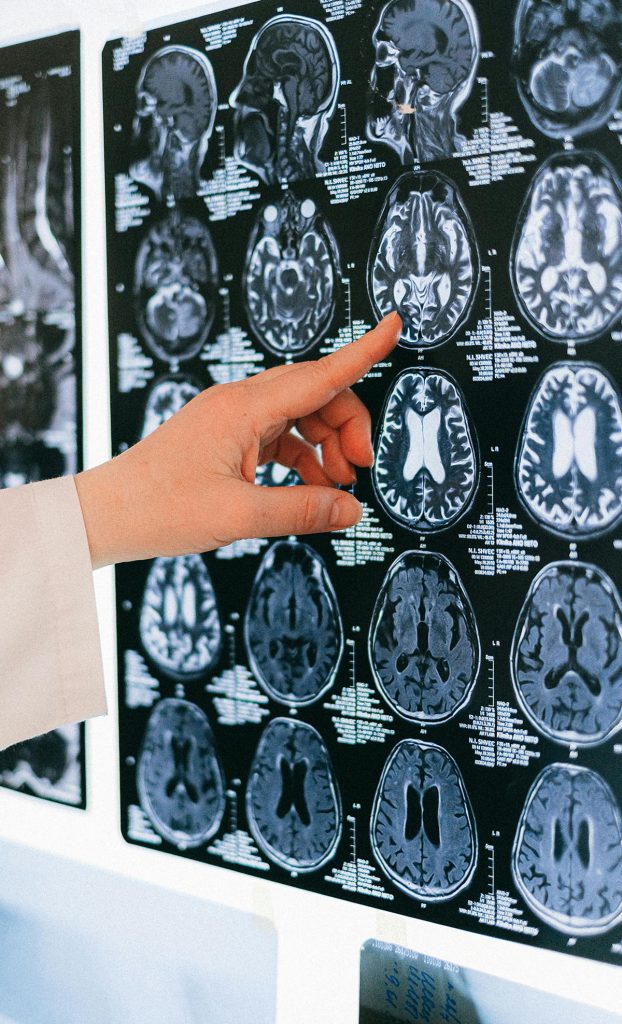
Traumatic brain injuries (TBIs), especially those caused by blast exposures, reveal the sheer complexity and fragility of the human brain. With approximately 86 billion neurons interconnected in vast networks, the brain’s architecture is both intricate and essential for normal function (BrainFacts.org). A severe TBI can potentially damage or decimate millions of these neural connections, leading to cognitive deficits, memory impairment, and loss of motor function. Blast-related TBIs specifically cause a form of chronic traumatic encephalopathy (CTE) that strips neurons of their insulating myelin, dramatically reducing their speed of information conduction to as little as 1/100th of that in healthy, insulated neurons.
The Silent Threat of Undiagnosed Seizures
Additionally, recent research draws parallels between Alzheimer’s disease and TBI-related neuropathology. For example, studies have shown that individuals with Alzheimer’s may experience “silent” seizures deep within the brain—seizures that are not visible through standard diagnostic techniques but likely contribute to cognitive decline (Frontiers in Neurology). Although not yet proven in blast-related TBI cases, it’s logical to infer that veterans with severe TBI could experience similar undetected seizures. This insight opens the door to considering self-intervention techniques to help veterans manage symptoms, especially when seizures go undiagnosed.
Recovery: A Journey of Time and Perseverance
At the Blastology Foundation, we do not specifically endorse or oppose medications or treatments, but we emphasize that recovery from severe brain injury is a long-term journey requiring extensive cellular support and time. Even with innovative treatments like stem cell therapy, improvements generally begin to show around six months after treatment, with full potential often taking up to five years. This reality reinforces the importance of patience and perseverance, as well as the use of non-invasive therapies that support natural brain repair and regeneration. Our recommendations reflect the understanding that while recovery is slow, a targeted approach can maximize each veteran’s capacity for healing.
The Ketogenic Diet
The ketogenic diet, originally developed to treat epilepsy, is gaining attention as a potential therapy for blast-related traumatic brain injuries (TBI). By shifting the body’s energy source from glucose to ketones, this high-fat, low-carbohydrate diet may stabilize brain energy, reduce inflammation, and improve mitochondrial function—all crucial for recovery. Early research suggests it could enhance cognitive function, reduce seizures, and alleviate symptoms like brain fog and fatigue. Linked below are shopping lists and dining-out guides to help maintain a ketogenic diet. Always consult a doctor before making significant dietary changes.
Studies Suggest a Ketogenic Diet Protects Against TBI
Gut bacteria and keto diet, and anti-seizure properties
Neuro-protective effects of ketones/ Ketogenic Diet
Keto on the Go
Keto Fast Food
Keto Food Replacement Chart
Join Our Mission
Empower Change by Getting Involved Today
Become a pivotal part of our cause supporting injured service members. Whether you offer your time to volunteer, spread awareness, or organize a creative fundraiser, every little effort can lead to meaningful impact. Together, let’s foster a supportive environment that aids in the recovery of those who’ve given so much for our freedom.